
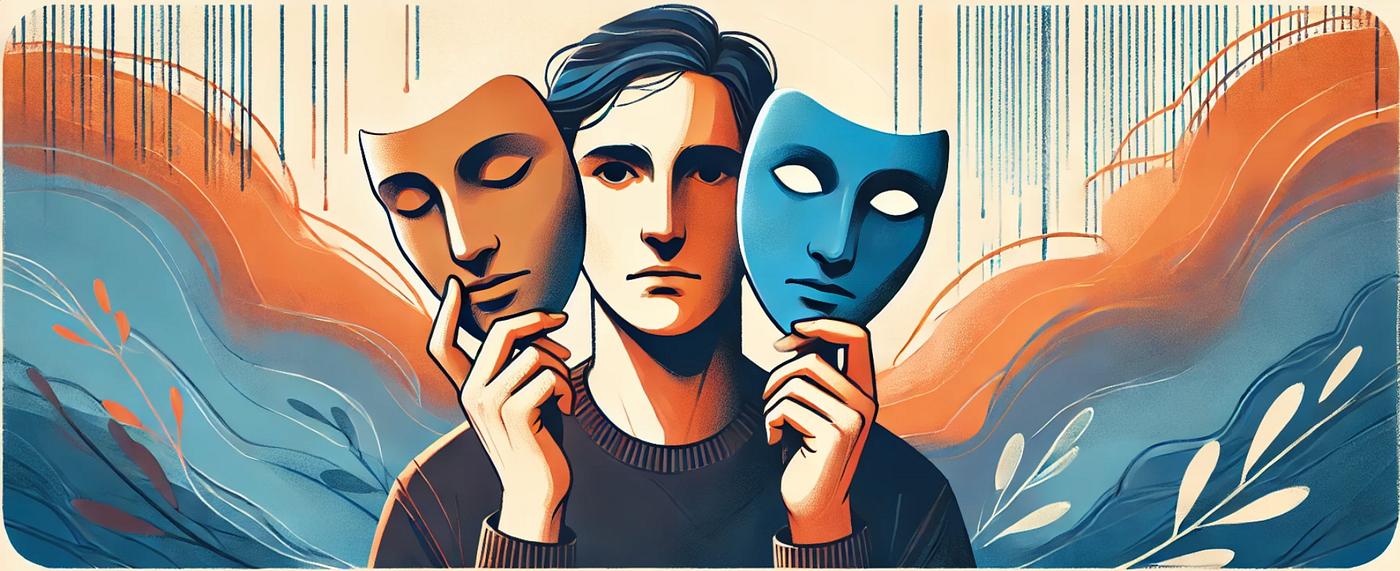
Your brand archetype isn’t just a marketing exercise.
It’s a mirror.
When I guide companies through a brand strategy engagement, one of the most revealing moments isn’t discussing logos, colors, or messaging. It’s when we identify the archetype that best represents the organization. Almost immediately, conversations become less about marketing and more about identity.
Because the archetype you choose says as much about your leadership, your values, and the way you view business as it does about your brand.
Every company can claim to be innovative, customer-focused, or experienced. Archetypes answer a much deeper question:
Who are you when no one is watching?
Here’s what each archetype often reveals about the people behind the brand.
The Innocent: You Believe Trust Wins
If you’re drawn to the Innocent, you probably believe business doesn’t have to be complicated.
You value honesty over hype, transparency over persuasion, and long-term trust over short-term gains. Rather than overwhelming customers with complexity, you simplify the experience and let your integrity do the selling.
You believe the best relationships are built on clarity and consistency.
Core belief: If we do the right thing, customers will reward us with their trust.
The Everyman: You Believe Relationships Matter More Than Titles
The Everyman isn’t trying to impress anyone.
This leader values accessibility, teamwork, and genuine connection. You’re less interested in appearing elite than in making customers feel understood. You want your business to be approachable, collaborative, and easy to work with.
People choose you because they feel comfortable—not intimidated.
Core belief: Business is built between people, not companies.
The Hero: You Love Solving Big Problems
Hero brands are often led by highly competitive people.
You enjoy difficult challenges, measurable results, and proving that your team can deliver when others can’t. Failure motivates you. Success is measured by outcomes, not promises.
Clients hire you because they know you’ll step up when the stakes are highest.
Core belief: Excellence isn’t claimed—it’s earned.
The Outlaw: You Refuse to Accept “The Way It’s Always Been”
If the Rebel resonates with you, chances are you’ve questioned conventional thinking your entire career.
You see broken systems where others see tradition. You enjoy disrupting industries, challenging assumptions, and helping clients rethink what’s possible.
You’re not interested in incremental improvement.
You’re interested in changing the rules.
Core belief: Progress requires challenging the status quo.
The Explorer: You’re Driven by Curiosity
Explorer brands are fueled by possibility.
You value independence, innovation, and discovering opportunities others overlook. Rather than following best practices, you’re often creating the next best practice.
Your customers come to you because they’re ready to move beyond the familiar.
Core belief: Growth happens outside your comfort zone.
The Creator: You Want to Build Something That Didn’t Exist Before
Creators see possibility everywhere.
Whether you’re designing products, developing software, or building brands, your greatest satisfaction comes from creating something original that makes people’s lives better.
You aren’t just producing work.
You’re leaving your signature on it.
Core belief: Creativity is one of the greatest competitive advantages.
The Ruler: You Value Excellence Through Structure
Ruler brands are often misunderstood.
They’re not about control for control’s sake. They’re about creating order where others see chaos. You believe strong leadership, disciplined execution, and dependable systems create confidence.
Customers trust you because they know nothing is left to chance.
Core belief: Great organizations are built through leadership and accountability.
The Magician: You See Potential Others Can’t
Magician brands are transformation brands.
You don’t simply provide products or services—you help customers become something better than they imagined possible. Whether through technology, insight, or innovation, your work changes what’s achievable.
People come to you because you make difficult things feel possible.
Core belief: Every breakthrough begins with seeing what others cannot.
The Lover: You Believe Loyalty Is Earned
Lover brands understand that emotional connection creates lasting business relationships.
You focus on quality, craftsmanship, personalization, and making every customer feel valued. Rather than chasing transactions, you’re building advocates.
People remember how you made them feel.
Core belief: Exceptional relationships create exceptional businesses.
The Caregiver: You Measure Success by Helping Others Succeed
Caregiver leaders often define success differently.
You’re motivated by service, protection, and long-term support. Customers trust you because they know you’ll put their interests first—even when it’s harder or less profitable.
Your reputation becomes your greatest asset.
Core belief: Taking care of people is always good business.
The Jester: You Don’t Believe Business Has to Be Boring
Jesters understand something many brands forget: People enjoy working with people they like.
You use humor, personality, and optimism to make complicated or stressful experiences more enjoyable. While others compete for attention through seriousness, you win by being memorable.
Fun isn’t the opposite of professionalism.
Sometimes it’s what makes professionalism approachable.
Core belief: Joy creates connection.
The Sage: You Want to Be the Most Trusted Voice in the Room
Sage brands are driven by knowledge.
You value research, expertise, thoughtful analysis, and continuous learning. Rather than being the loudest voice, you’d rather be the most credible one.
Customers seek you out because you bring clarity to complexity.
Core belief: The best decisions begin with understanding.
Your Archetype Isn’t About Marketing—It’s About Leadership
Many companies choose an archetype based on who they want to be.
The strongest brands choose the archetype that reflects who they already are.
That’s because great branding isn’t about inventing a personality. It’s about uncovering the one that’s been there all along and expressing it consistently across every customer touchpoint.
When your brand, your leadership, your culture, and your customer experience all reflect the same archetype, your business becomes more authentic, more memorable, and easier to trust.
Your brand archetype isn’t a costume.
It’s your character.
And in a marketplace where products can be copied and services can be replicated, character may be your most valuable competitive advantage.